 eLearning clichés; can you think of any?
Do you try your best but just can’t seem to get eLearning right? Are your learners disengaged, dissatisfied and dismayed?
If you believe in any of the upcoming statements then you may have fallen victim to some of the best known eLearning clichés out there:
The eLearning Clichés To Ignore
1. The more images the merrier!
You wouldn’t add more seasoning to a mouldy meal, so why would you add more and more images to a poor piece of training? If your eLearning is boring, squeezing in more images isn’t going to save the day!
Additionally, 40% of users will abandon a page if it doesn’t load within 3 seconds. The more images you jam into your content, the more you risk increased page loading times. Considering that mobiles have slower data rates than desktops, it may be time to curb your pics before it becomes a strip comic!
2. Quizzes are fun, right?
If you want to make your eLearning courses more fun, that’s great. But forcing your learners to take quizzes like they’re going out of fashion is not the way to inject a bit of fun and frolic into their training. You have to use them sparingly, like lucky charms within the cereal bowl, otherwise they’ll lose their novelty value.
Our unique quiz feature, Battles, lets admins create peer-to-peer multiple-choice questions. Battles fuse training and competition to help in the fight against the infamous Forgetting Curve!
3. More Text Means More Info

If you’re creating eLearning for an organisation, you’ll want to give them value for money and make sure they know the effort has been made. However, this doesn’t mean squeezing as much text onto the screen as possible, or making the eLearning unit as long as you can stand!
We’re big fans of condensing eLearning units into small, focused bursts. This is what’s referred to as microlearning. Ideally, microlearning shouldn’t take any more than 5 minutes to complete. The idea is that learners will be enticed to return to the unit again and again over a period of time, ensuring knowledge retention without the risk of learner burnout!
4. Cover the basics. All the basics
It’s a great idea to make sure eLearning modules cover all the pertinent issues and learning objectives.
You don’t want there to be knowledge gaps and you certainly don’t want to leave anyone confused or second-guessing themselves. But beware: don’t teach people to suck eggs! If the eLearning module is on managing a sales team, don’t include the basics of selling in the unit – if learners don’t already know what a sales proposal is, they’re certainly not ready for a management role.
5. Make it Easy
There’s no point overloading your learner with videos, voice-overs and complicated tasks. The right way to encourage learners to complete eLearning units is to make them easy and simple – just like clicking through a PowerPoint slideshow and then answering a quiz question!
Err, no! When’s the last time you sat through a presentation and truly engaged with the content? How much of it did you remember after you clicked ‘Close’? We’ll bet not all that much!
The eLearning Clichés to Acknowledge
If you believe any of the above clichés, it’s time to kick them to the curb and revolutionise your eLearning. Here are the correct beliefs you should hold:
1. Make it Interesting
Say ‘No more!’ to slideshows. Say ‘Goodbye!’ to boring! You shouldn’t focus on making your eLearning super short, nor should it take hours and hours to complete. Find a happy halfway point where learners are able to get stuck into the subject but where they don’t end up falling asleep on the job.
2. Make it Interactive

There is so much technology available to us these days, why aren’t we creating interactive eLearning units? Why aren’t we taking advantage of cool functionality and using drag and drop quizzes, interactive exercises, data input and personalised eLearning that calls us by our name and knows where we work?
We ensure learning is interactive by incorporating social learning into nearly everything we do. Social Learning is an informal way to train where employees learn from one another. Judging by the 70/20/10 Model, social learning accounts for 20% of all learning.
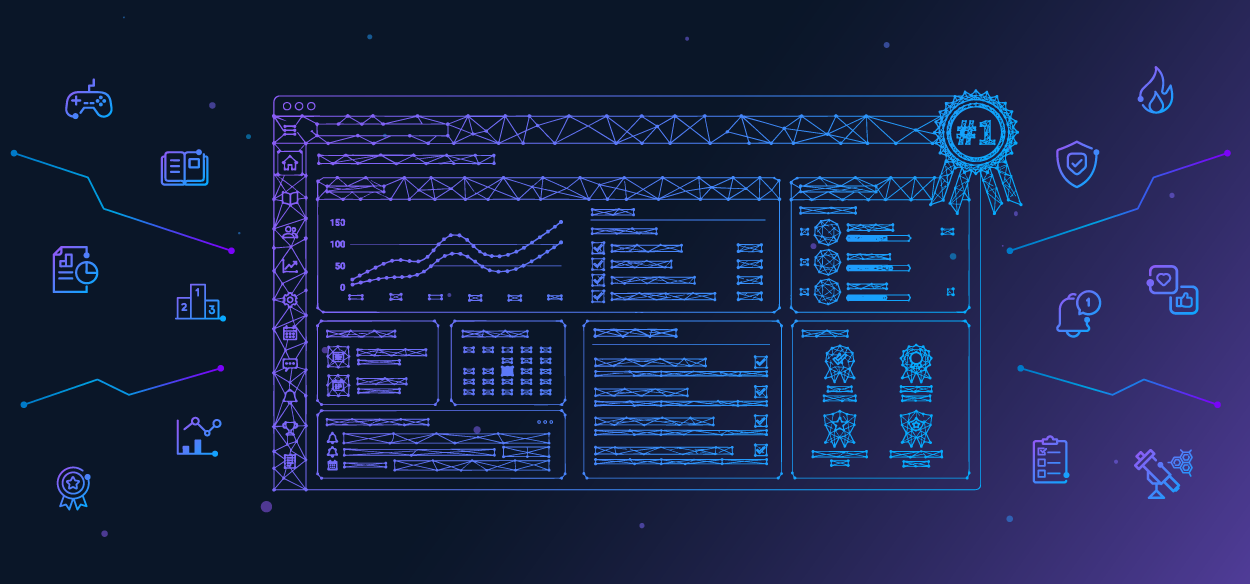
From live chat, so the social stream and virtual clubs, we have a bunch of social features on our Academy LMS.
3. Make it Fun
That’s right! Learners should enjoy logging on to their Learning Management System and taking eLearning courses. They shouldn’t hate their training, drag their heels or bang their head against a wall.
How do we make our eLearning fun? One way is to introduce gamification to the fold. Gamification is the process of applying gamified elements to non-gaming environments.
We use it by introducing XPs (Experience Points), leaderboards, levels and virtual badges.
Final Words
Clichés are rarely useful, especially in learning and development. You can cram your content with images, videos, quizzes, PowerPoint slides. You can go the other way and inundate your learners with a flurry of dense text. Or you can simplify it and mention really basic stuff that learners may find patronising. So you have to be careful to get the balance just right.
Want to know more about how to construct your eLearning? Download our New Training Programme checklist, jam-packed with a ton of tips for getting your learning just right.