
 ‘Retail Career’. It’s not a phrase people often use… Sales career, sure, a career in finance – definitely. But a lifelong career in retail is a rare thing indeed.
One of the top 5 biggest challenges faced by retailers is engaging, retaining and growing talent. All organisations are fighting a daily battle against apathy and indifference in their employees, but in retail, the struggle is even harder. One of the big reasons for this is that retail suffers from the widespread stigma that it’s ‘not a real job’.
Not only is this assumption harmful, but it’s also wholly inaccurate. As one of the most dynamic and ever-changing sectors, the chances for retail career progression are many and varied.
Sadly, these opportunities are often hidden from the employees. This isn’t a deliberate choice by sadistic managers – it’s merely because the options aren’t emphasised enough.
This is where training and development come in.
How to Highlight Retail Career Prospects
Highlight Retail Career Prospects Early
 The requirements for an entry-level retail position make it a career choice that’s inclusive and open to all. As long as you can smile and are willing to help customers find what they’re looking for, the door is always open.
At this early stage, most of the training needs will revolve around procedures and products. It’s only natural to want to get new starters up to speed on these essentials as quickly as possible so that they can get out on the shop floor and start selling.
However, this is exactly the point at which you should make these new employees aware of their career prospects. Many retailers will offer the standard associate-supervisor-manager pathway and leave it at that, but this doesn’t just hide opportunities from the employee – it prevents organisational growth. Just think about how many of the top buyers and heads of marketing started out stacking shelves and attaching price tags.
Give greater visibility over progression
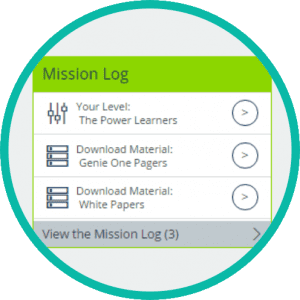
Communicating these possibilities at an early stage is a good start, but how can you reinforce the message and keep your employees motivated? First off, you need to make sure that they can see where they are on their training pathway, how far they’ve come and every possible route they can take to go further. It’s easy to say that retail managers should regularly appraise their staff, but in such a challenging and fast-moving environment, that’s not always possible.
The face-to-face appraisal still has an important part to play, but what retailers really need is a system that puts their employees in charge of their own development. An online learning platform makes this a lot easier. The most basic LMSs ensure that your employees can find the training materials they need to attain their career goals, but learning technologies have come a long way in the 21st century.
Engagement Focus: After a rocky start, the world of learning technologies eventually realised that their learning platforms would never be effective if nobody wanted to use them. This prompted development in areas of user engagement, employing tactics used by (of all people) game developers. Progress bars and achievement alerts give users a reason to return and consume the content they need. Also, the use of leaderboards is particularly powerful in the inherently competitive environments of retail or sales.
Learning pathways: With the discovery of gamification, came a new, more intuitive way of structuring learning content. Instead of merely having the content arranged in categories in a library, learning managers could now create role-specific pathways composed of levels. Like a game, this level structure encourages self-directed learning and creates a feeling of progression that counteracts the idea that a retail position is just a rut to become stuck in.
Building a community: Further developments focused on turning these gamified learning platforms into social networks. Discussion groups and social feeds let employees from all over the organisation interact with their colleagues and see how their peers are developing. When it comes to dispelling the ‘dead-end job’ myth, this is an incredibly powerful tool. It’s one thing to be told that opportunities exist, but when your employees can see real people taking real steps in their retail career, it has much more meaning.
It’s unfortunate that the retail industry is cursed with the stigma of being an in-between job, but it’s just a stereotype that has found its way into our culture. Learning managers have a big part to play when it comes to showing employees that opportunities do exist beyond the repetitive beep of the checkout.
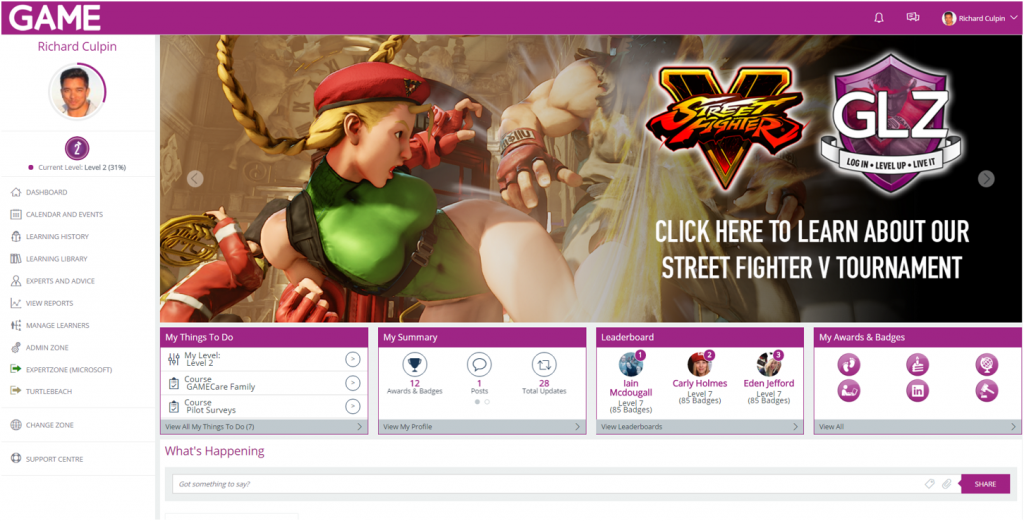
Having the right tools can make this a lot easier. GAME Retail, the largest high-street video games retailer in the UK, found this out for themselves when they launched GAME Learning Zone. What was meant as an efficient way of delivering just-in-time product knowledge turned into a buzzing online community.
If you want to find out what learning technologies can do to reduce staff turnover, accelerate development and change behaviour, download the GAME case study by clicking the button below.