
When we talk about a great learning experience, we usually focus on engagement, content relevance, or platform usability. But we often forget one of the biggest barriers between a learner and new knowledge: stress.
If a learner feels overwhelmed by a difficult deadline, confused by vague instructions, or judged by a high-stakes assessment, then their cortisol levels immediately spike. All of a sudden, their focus shatters and their memory short-circuits.
But it doesn’t have to be this way. In this article, we’ll unpack the neuroscience of stress, expose the hidden triggers in your learning and development programmes, and give you a practical guide to design for calm, not cortisol.
After all, learning should feel like a launchpad, not like taking part in the Hunger Games.
What Is Stress? (And Why It Wrecks Learning)
When we say “I’m stressed,” we usually mean we’re overwhelmed, anxious, or just plain frazzled. But what’s actually happening inside us?
At its core, stress is your body’s automatic, full-system response to any demand it perceives as a threat or challenge. This makes it easy to villainise. After all, stress rarely feels good in the moment. However, its job is simple: to keep you alive.
It does this by rapidly launching a cascade of physiological changes that prioritise speed and survival over non-essential functions like complex thinking and problem solving.
This is great if you’re attempting to evade a tiger, but less effective if you’re trying to ace an assessment. Unfortunately, our brains often can’t make this distinction and still react as if it’s a life-or-death situation.
Before you know it, you’re left feeling jittery, distracted, and mentally foggy. And that’s the exact opposite of the calm, focused state needed for learning.
Eustress vs Distress (The Two Faces of Stress)
With that said, not all stress is toxic to learning. The key lies in the dose and perception of the challenge. Cortisol and cognitive performance follow an inverted U, where both too little and too much impair thinking.
Psychologists also draw a distinction between the following types of stress:
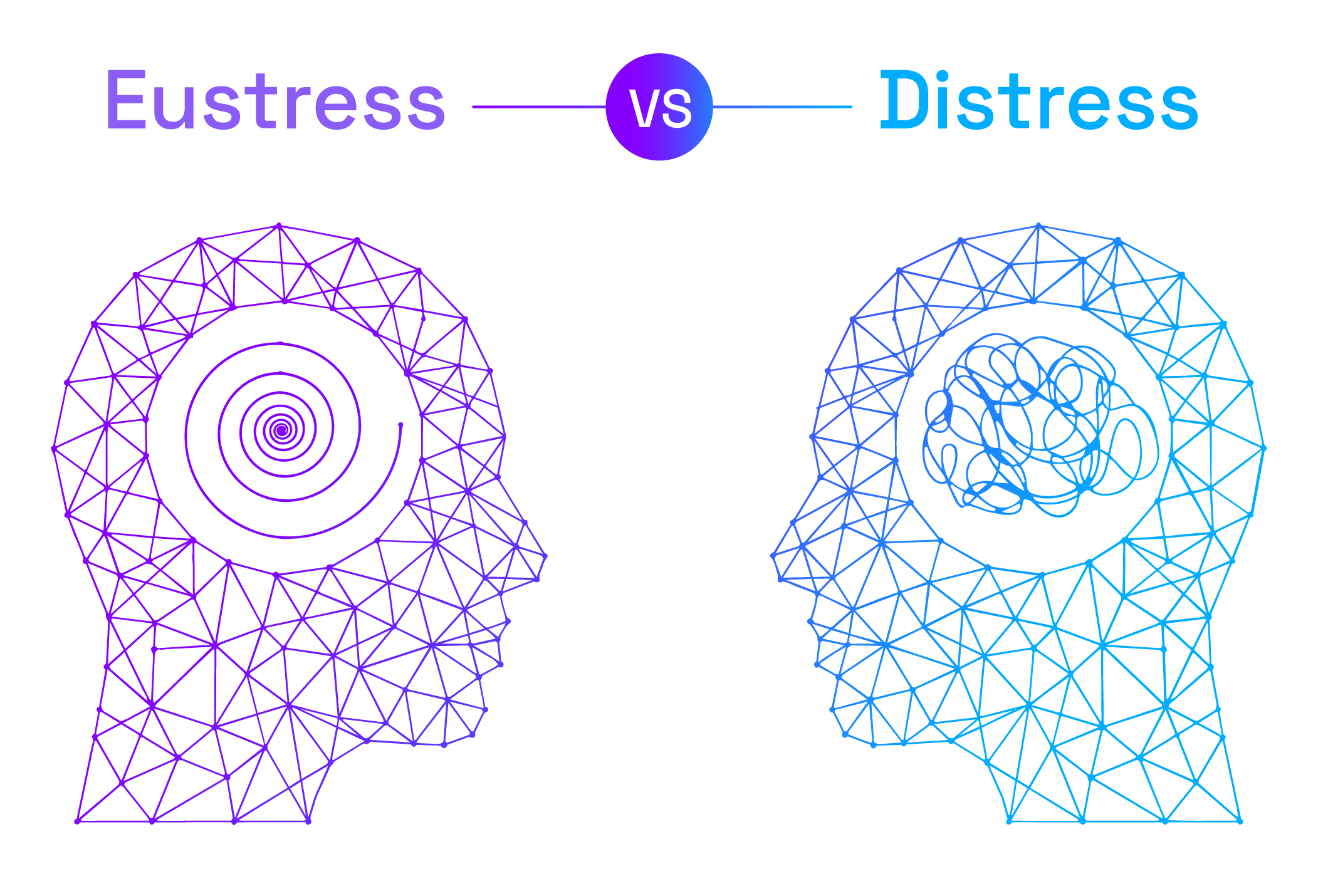
1. Eustress: The “Good” Stress
This is the energising, “challenge stress” you feel when a task is demanding but within your capability. Think of the buzz that precedes a big, well-prepared presentation, or the productive drive linked to a tight but achievable deadline.
It creates a sense of positive anticipation and urgency. Because the demand feels matched to your skill, you may even enter a state of flow. This is the optimal zone for learning: it sharpens focus, locks in memory, and fuels genuine engagement.
2. Distress: The “Bad” Stress
Conversely, this is the overwhelming, “threat stress” that matches our classic, negative view of the phenomenon. It surfaces when a challenge feels insurmountable — like the panic of an impossible deadline or a test on material you simply don’t understand.
Instead of energising, it debilitates and exhausts. Dread soon takes over, cognition seizes up, and progress grinds to a halt. In this state, learners are far more likely to disengage or shut down than try to push through.
This distinction shows us that our goal isn’t to make learning feel like a spa day. It’s to make it feel less like a hostage situation. It’s up to us to strategically design for eustress (or productive challenge) while ruthlessly eliminating causes of distress (or debilitating threat).
The Stress Tax: What Chronic Stress Costs Us
Stress isn’t an occasional visitor. It’s ever present in the digital age. As burnout researcher Sally Clarke puts it, “Chronic stress has become the prevailing narrative of modern life.” The data confirms this isn’t just a feeling. It’s a global state of being.
- 79% of people worldwide experience stress regularly.
- Full-time workers (82%) and students (83%) are the worst affected.
- On any given workday, 40% of employees experience ‘a lot’ of stress.
- And at least one aspect of work generates stress for 70% of employees.
When asked what drives their stress, people point to a familiar cycle:
- Feeling tired (40%)
- Financial strain (38%)
- Workload pressures (35%)
- Relationship issues (32%)
- Health problems (27%)
- Busy schedules (27%)
Even minor tasks, like managing an overflowing inbox (16%) add to our cognitive burden. This chronic stress carries a staggering price tag. The International Labour Organization puts the annual cost of psychosocial risks at work at 1.37% of global GDP, alongside 840,000 deaths a year and 45 million years of healthy life lost.
Organisations know they must act. According to the CIPD, 64% report taking steps to reduce workplace stress. However, only 50% believe their efforts are working. In other words, only about one-third of organisations are making meaningful progress.
Unfortunately, learning and development (L&D) is rarely seen as a respite from this storm. All too often, it’s viewed as yet another item on an impossibly long to-do list.
And the pressure is intensifying. Indeed, 53% of employees feel they must upskill to keep their jobs. And 59% of Chief Human Resources Officers cite employee development as their top struggle. It’s clear that learning itself has become a major source of stress.
So, we know stress is the backdrop. Now, let’s zoom in on the main culprit and see what it’s actually doing inside our learners’ heads.
The Science of Stress: How Cortisol Hijacks the Brain
Stress isn’t just a feeling. It’s a chemical hijacking of the learning process. When distress hits, the mind is flooded with hormones that directly sabotage learning. Below is the step-by-step science of that takeover.
1. Your Brain’s Red Alert
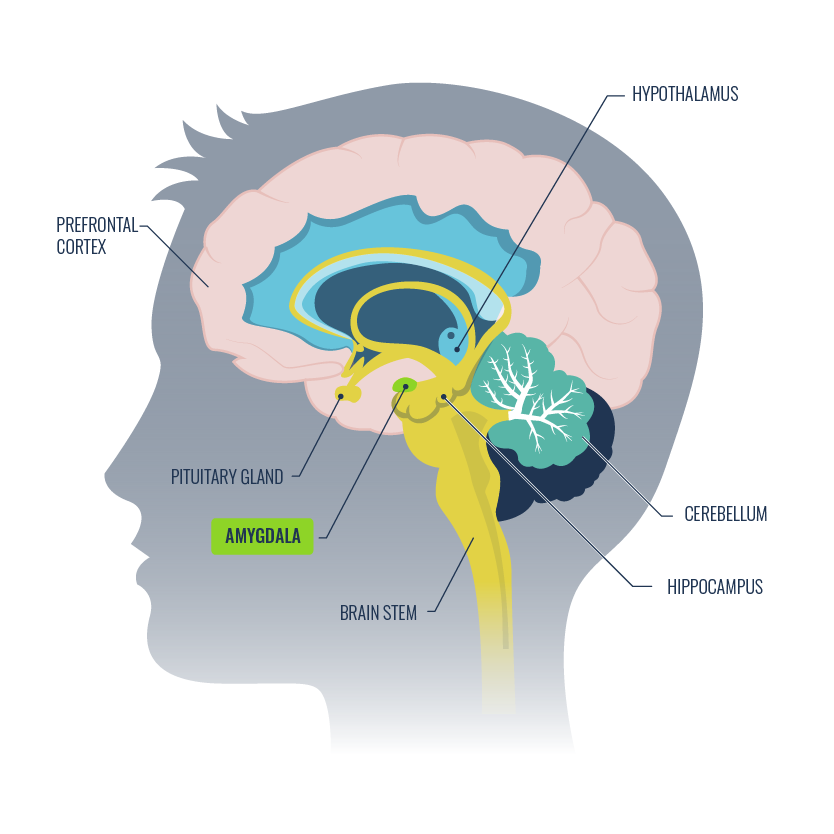
Everything starts with your amygdala, your body’s threat detector. When it faces a perceived threat (whether that’s a velociraptor or a project deadline), it hits the panic button. It triggers the Sympathetic Nervous System (SNS) and activates your “fight or flight” response.
This system instantly releases hormones like adrenaline and noradrenaline which boost your heart rate and prepare your muscles for action. In turn, it forces the brain to shift from high-order thinking to fast, habitual responses.
2. Cortisol Takes the Wheel
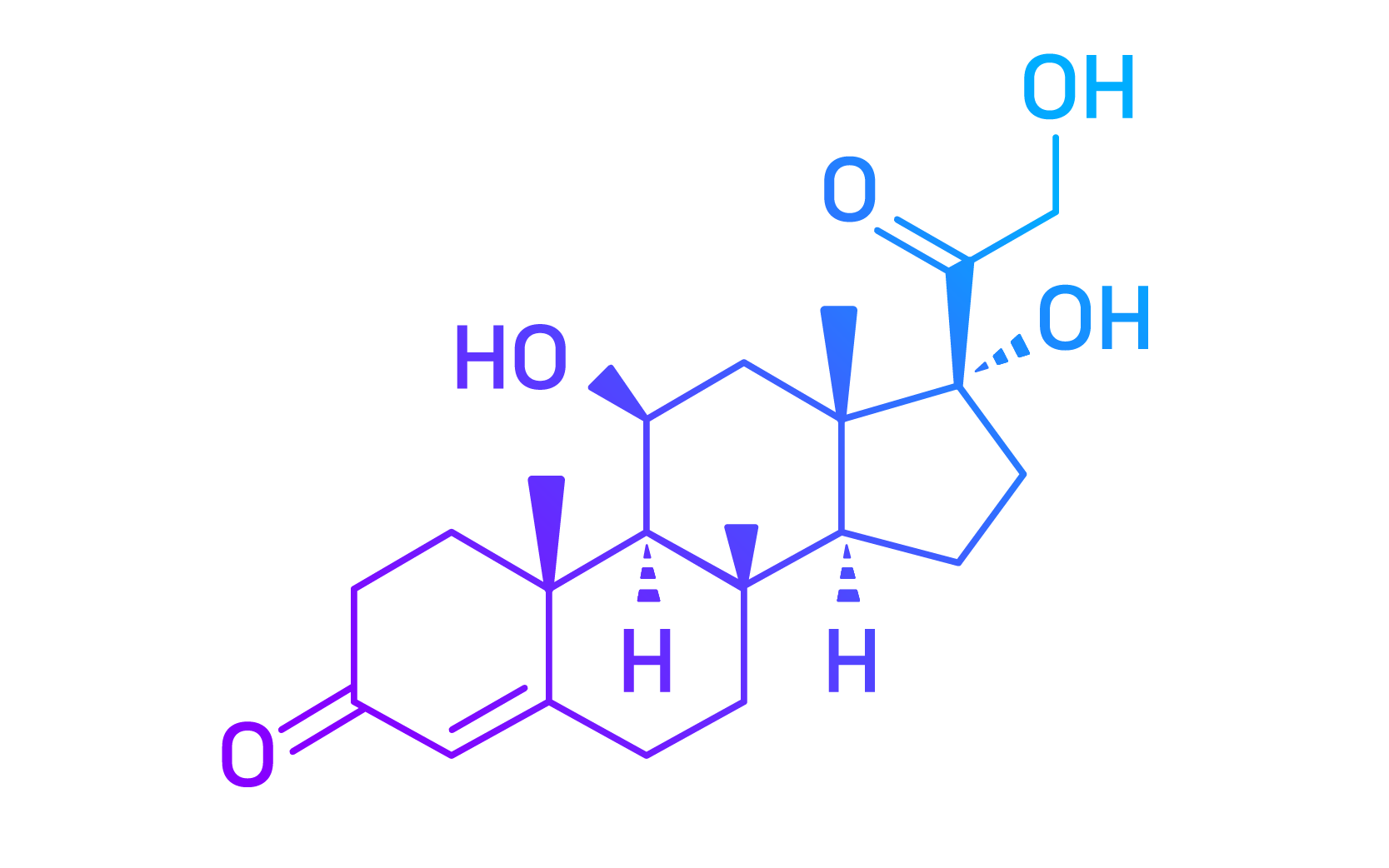
If the stress continues, your body calls in reinforcements. It will switch on a slightly slower but longer-lasting system: the Hypothalamic-Pituitary-Adrenal (HPA) axis. This is the command chain responsible for releasing the star of our show: cortisol.
Cortisol is often labelled the “stress hormone”. It sustains the body’s high-alert state long after the initial adrenaline rush has faded. While it’s crucial for energy regulation, prolonged cortisol exposure directly attacks the brain’s learning centres.
3. Cognitive Shutdown Begins
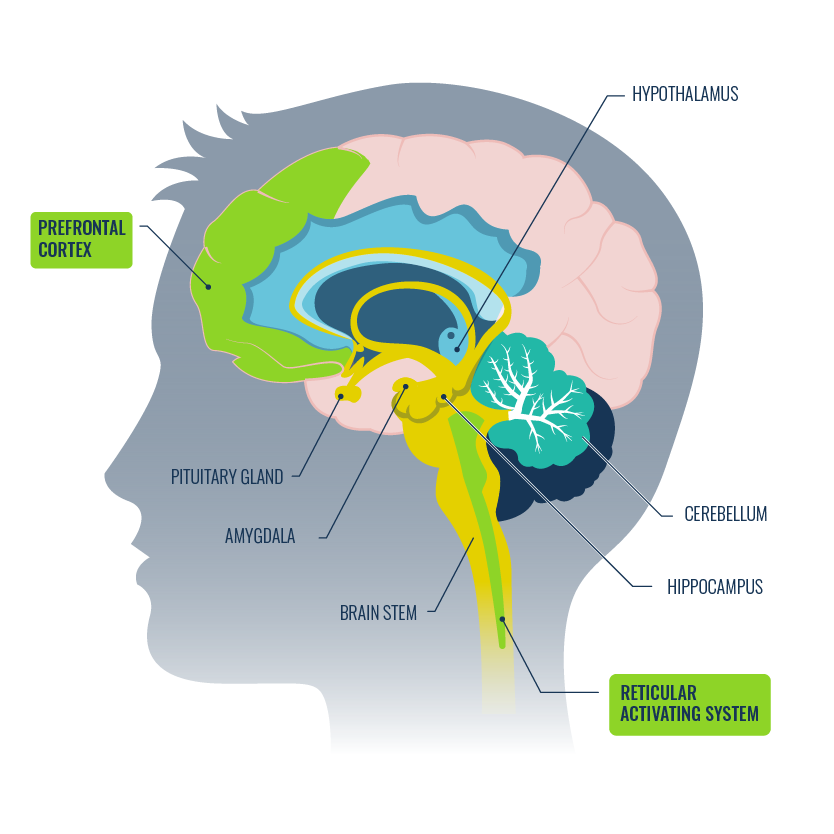
Once released, cortisol orchestrates a full-system pivot towards survival. It dials down all “non-essential” functions to help conserve energy. It also reduces activity in the prefrontal cortex (PFC), the brain region responsible for working memory and executive functions.
Simultaneously, stress rebalances the brain’s large-scale networks:
- The salience network, which scans for threat, is turned up.
- The executive control network, which holds attention on a task, is turned down.
- Even the default mode network, normally associated with mind-wandering, shifts into what reaserchers call an ‘alerted default mode’.
This translates to a soundtrack of worry and rumination.
Worse still, chronic cortisol exposure has been shown in animal studies to interfere with Long-Term Potentiation (LTP). This is the cellular mechanism responsible for neuroplasticity, the process by which the brain strengthens synaptic connections throughout our lives.
All this science tells us one thing: we cannot layer effective learning on top of an active stress response. This means it’s our responsibility to design environments that promote a calm, focused state where the prefrontal cortex can thrive.
The Data: How Stress Hurts Learning and Memory
The link between stress, cortisol, and impaired learning isn’t theoretical. There’s a wealth of research that reveals the direct biological cost.
For instance, functional MRI studies show that raising cortisol reduces activity in both the hippocampus and the prefrontal cortex while people are retrieving what they learned. This makes it physiologically harder to form durable memories.
Supporting this, a landmark study found that administering higher levels of cortisol over just four days harmed recall. Indeed, 93% of those given the dose equivalent to major stress could not remember as much as the control group, recalling an average of 22 fewer pieces of information.
However, the damage goes beyond memory recall. It also disrupts the fundamental mechanics of learning itself. This 2016 study demonstrated that a 30 mg dose of hydrocortisone completely blocked the brain’s ability to show improvements in perceptual learning. Meanwhile, a placebo group showed an expected 14% improvement.
Recent research confirms these findings translate directly into negative academic and professional outcomes.
- Academic Performance: A 2025 study of first-year students found those reporting high academic stress had over 4x the odds of finishing in the lower half of their cohort.
- Chronic Exposure: A study of patients with Cushing’s disease (characterised by extreme cortisol exposure) showed that cognitive decline is the norm. The data is stark: 83% report impaired memory and 66% experience shortened attention spans.
- Cognitive Flexibility: A 2023 study measured cortisol in hair samples, capturing three months of accumulated stress. Higher cortisol predicted lower cognitive flexibility, and higher reported stress predicted weaker working memory and visuoconstructive ability.
The evidence is clear. Cortisol doesn’t just accompany stress. It actively degrades the cognitive machinery required for learning, memory, and adaptability.
Stress Triggers: The N.U.T.S. Model Explained
We now know what stress does to the brain. Now the critical question for learning designers is: what cues the cortisol cascade?
Thankfully, we don’t have to guess. Neuroscientist Dr Sonia Lupien has distilled decades of research into a simple framework: the N.U.T.S. Model. It tells us that a situation (or a learning environment) becomes a stressor when it contains one or more of these four elements:
- Novelty: Something that you’ve never encountered before.
- Unpredictability: Something that you didn’t see coming.
- Threat to the Ego: A challenge to your competency or social status.
- Sense of Low Control: Feeling you have little power over a situation.
We all love a good acronym, right? This model is a game-changer for a simple reason: it clarifies our stress triggers while also giving us a brutal (and useful) checklist for flawed learning experiences. The table below makes the overlap painfully clear.
| Trigger | Common Design Flaws |
| Novelty | Launching a new LMS without a tutorial. Introducing a scenario without explaining the context. Using unfamiliar terminology without explanation. |
| Unpredictability | Vague or missing learning objectives. “Pop” quizzes with no prior warning. Unclear navigation or hidden requirements. |
| Threat to Ego | Public leaderboards or grade comparisons. Mandatory social posting in discussion forums. High-stakes final assessments. |
| Sense of Low Control | Linear courses that cannot be explored freely. Mandatory completion timers or forced pacing. Autoplay videos that cannot be controlled. |
As you can probably tell, the average corporate learning module is basically a N.U.T.S. buffet. It’s no wonder engagement drops. But there’s a better way. Next, we’ll explore how to flip the script and build environments that invite focus instead of fear.
Taming Cortisol: A Stress-Free Learning Guide
Taming cortisol isn’t about adding meditation modules to your course list (though mindfulness has its place). Instead, it requires fundamentally reshaping the learner’s experience so it feels less like a threat and more like a supported challenge.
After all, we don’t want to strip away the motivating buzz of eustress. With this in mind, here’s your evidence-based design guide, structured to counter N.U.T.S. triggers and promote a state of calm focus.
1. Novelty ➞ Familiarity

As we’ve seen, novelty triggers the brain’s panic button. Our goal, therefore, is to pre-empt that reaction by making the unknown feel safe, predictable, and easy to navigate. Here are some suggestions to help you pull this off.
- Smooth Entry: Never drop your learners into a new platform or complex activity cold. That’s a recipe for confusion. Instead, create a simple 3-minute orientation tour of your LMS or a low-stakes practice round for your simulation.
- Reduce Friction: Don’t make learners guess! Use standardised templates, icons, and navigation across all your modules and platforms. We also recommend ‘dropping’ new training content on a regular basis using a predictable schedule.
- Jettison Jargon: Unfamiliar words and technical terms create needless frustration and slow down progress. To keep your learners focused on the lesson, not the dictionary, ensure they are armed with a simple, always-accessible glossary.
2. Unpredictability ➞ Clear Expectations
Here, our goal is to replace guesswork and uncertainty with a reliable, visible roadmap. By clearly defining the journey and the destination, we give the prefrontal cortex the structure it needs to focus fully on the task at hand. Better learning outcomes await!
- Clear Objectives: Start every eLearning module with concrete, actionable learning objectives. Vague concepts like “Understand teamwork” won’t work. Instead, aim for “By the end of this unit, you will be able to handle difficult conversations by using our 3-part model.”
- Progress Visibility: Use clear progress bars and checklists to eliminate anxiety about the unknown. This simple act of transparency lets learners see where they are, where they’ve been, and what’s left. This means no more nasty surprises!
- Friendlier Assessments: Don’t pile the pressure on when it comes to your assessments. Frame all quizzes and interactions as formative checkpoints, rather than summative judgements. And don’t forget to use friendly, supportive language to guide the experience.
3. Threat to the Ego ➞ Psychological Safety

When learning feels like a public test of competence, it starts to register as a social threat. As such, our goal is to design an intellectual ‘safe zone’ where the fear of looking foolish is removed. Here are some tips for achieving this lofty goal.
- Encourage Practice: Lower the stakes and ease the pressure by offering practice-oriented learning experiences. Use scenarios, branching simulations, and sandbox environments where the only consequence is feedback.
- Reframe Failure: Review your messaging to ensure it normalises struggle and removes the fear of judgement. Highlight the link between failure and learning. This will help your learners to cultivate a growth mindset.
- Embrace Privacy: For higher-stakes activities, ensure your learners’ inputs remain private. Monitor the public areas of your learning platform (like your leaderboards and discussion forums) to ensure they’re fostering collaboration, not anxiety.
4. Low Control ➞ Autonomy
Feeling trapped or powerless is a direct trigger for the stress response. That’s why it’s so important to include opportunities for meaningful choice and self-direction within your learning environment. You can follow these steps to make this happen:
- Champion Choice: Where possible, offer meaningful control. Let your learners pick their learning pathway (Product Training 101 or Soft Skills 101), the content format (video, text, podcast, etc.), and the order of the topics.
- Pace & Space: Empower learners to progress at their own pace. Allow pauses, provide downloadable materials, and avoid forced timers. Similarly, don’t add any unnecessary bottlenecks or friction points that could slow them down.
- Optional Excellence: Make advanced or supplementary courses optional. This signals to the learner that they are in charge of their depth of exploration. It also combats cognitive overload by removing the pressure to master everything at once.
Final Words
The science is in, the framework is clear, and the cost of inaction is more than just poor metrics. It’s lost potential. Far too many learning experiences are littered with stress triggers that send cortisol levels skyrocketing.
Thankfully, this isn’t a lost cause. By designing with the brain in mind, we stop creating accidental threat simulations and start building what learning was always meant to be: a safe space to grow.
Use the N.U.T.S. model as your audit tool. Then apply the principles listed above to reduce novelty, unpredictability, threat to the ego, and low control. In doing so, you’ll actively unlock a calm, curious environment where learning can thrive.
Stress? What stress?
Thanks for reading. If you’ve enjoyed this content, please connect with me here or find more articles here.
You’ve removed the cognitive block. Now, unlock peak performance. Download ‘The Science of Learner Engagement’ guidebook to discover the fastest route to high retention and powerful results.