
Ideas in L&D travel through people. Behind every shift in how organisations build skills sits a smaller group of thinkers who test the evidence, challenge lazy assumptions, and show the rest of the field what good looks like.
As AI floods the profession with new tools and louder claims, knowing whose analysis to trust is its own kind of skill.
We built this list to make that easier. It brings together 25 voices across five areas, from the analysts setting the agenda to the in-house practitioners doing the work. The people here, each in their own way, are pushing the field forward.
Meet them below.
How We Built This List
We looked for people whose work shapes how others think and practise, not simply the loudest accounts. Every voice here is active and publishing, and earns their place through what they have done rather than follower counts.
To reflect the different ways people move the field forward, we grouped them into five areas:
- Analysts and agenda-setters
- Evidence-led designers
- Neuroscientists of learning
- Working L&D practitioners
- Learning technology experts
Of course, a list of 25 will always leave out more than it includes. Many sharp and generous voices are not here, whether through space, focus, or our own blind spots. If you think someone belongs in the conversation, please tell us.
1. The Analysts and Agenda-setters
The field’s agenda-setters: the analysts, chairs, and hosts whose research and platforms frame the debates everyone else follows.
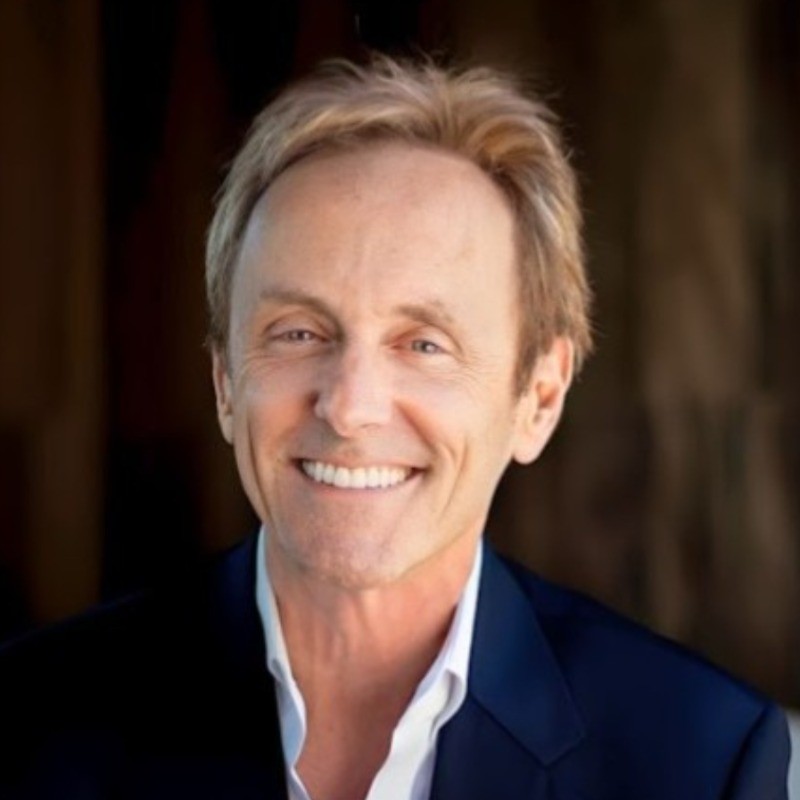
Josh Bersin
Founder and CEO, The Josh Bersin Company
The analyst who sets the agenda for HR and L&D
Josh Bersin is the industry analyst whose research shapes how organisations think about skills, learning, and HR technology. For two decades his work has turned workforce data into strategy that L&D leaders act on. His current focus is agentic AI and what an AI-driven operating model means for the future of HR.

Donald H. Taylor
Chair, Learning Technologies Conference
Host of the field’s biggest annual gathering
Donald H Taylor chairs the Learning Technologies Conference and runs the annual Global Sentiment Survey, the closest thing L&D has to a temperature check. He is candid about where the profession is heading, and his Transformation Triangle (written alongside Eglė Vinauskaitė) frames how teams can adopt AI without losing sight of what learning is for.

Laura Overton
Founder, Learning Changemakers
Bringing evidence to how L&D proves its worth
Laura Overton has spent years pressing L&D to back its choices with evidence, first through the Towards Maturity benchmark and now through Learning Changemakers. Her latest book, The L&D Leader, co-written with the brilliant Michelle Ockers, sets out how the field’s leaders can navigate what comes next.

Ken Taylor
CEO, Training Industry, Inc.
Connecting the business of running training
Ken Taylor leads Training Industry, whose research, conferences, and magazine serve the people who manage learning as a business function. Under his direction it has become a practical hub for training managers, with a steady focus on what makes programmes work in practice.

Dr Nigel Paine
Co-Presenter, Learning Now TV
A broadcaster and author documenting L&D as it changes
Nigel Paine co-presents Learning Now TV and hosts the From Scratch podcast, giving the field a running commentary on its own evolution. He’s a writer and speaker with decades of experience in learning and technology. That makes him one of L&D’s most consistent chroniclers and connectors.
2. The Evidence-Led Designers
The people keeping L&D honest: researchers and designers who hold everyday practice to account and bring the receipts.

Paul A. Kirschner
Emeritus Professor of Educational Psychology, Open Universiteit
The researcher who holds L&D to the evidence
Paul Kirschner is one of education’s most cited voices on how people actually learn, and a determined myth-buster on popular ideas like learning styles. His book How Learning Happens, written with Carl Hendrick, turns decades of research into practical guidance for anyone who designs learning.

Will Thalheimer
Founder, Work-Learning Research
Turning learning research into practical evaluation
Will Thalheimer translates research into methods practitioners can use, most notably LTEM, his eight-tier alternative to tick-box training evaluation. Through Work-Learning Research he has spent more than 20 years pushing the field towards measurement that reflects real learning and transfer.

Julie Dirksen
Founder, Usable Learning
Behavioural science, made practical for learning design
Julie Dirksen applies behavioural science to the everyday work of learning design. Her book Design for How People Learn is a standard reference for the field. Through Usable Learning she helps teams build learning that changes behaviour, and she writes clearly on what people need to understand to use AI well.

Mirjam Neelen
Head of Global Learning Design & Learning Sciences, Novartis
Evidence-informed design, applied inside a global business
Mirjam Neelen leads learning design and learning sciences at Novartis, and co-writes the evidence-informed blog 3-Star Learning Experiences with Paul Kirschner (see above). Her book Evidence-Informed Learning Design makes the case for building training on what the research actually supports.

Clark Quinn
Executive Director, Quinnovation
Joining learning science to smarter L&D strategy
Clark Quinn has spent decades connecting cognitive science to how organisations design learning and technology. Through Quinnovation and his long-running blog Learnlets, he argues for L&D that moves beyond courses to real performance. Lately, he has pushed the field to think clearly about where AI belongs.
3. The Neuroscientists of Learning
The people translating what neuroscience tells us about the brain into how we design and deliver good learning experiences.

Jared Cooney Horvath
Founder, LME Global
Bringing behavioural science to how we learn
Jared Cooney Horvath is a neuroscientist and educator who founded LME Global to put brain and behavioural science in the hands of teachers and organisations. His book Stop Talking, Start Influencing sets out twelve research-based principles for making a message stick.
Stella Collins
Learning Strategist and Author
Applying the neuroscience of learning to business performance
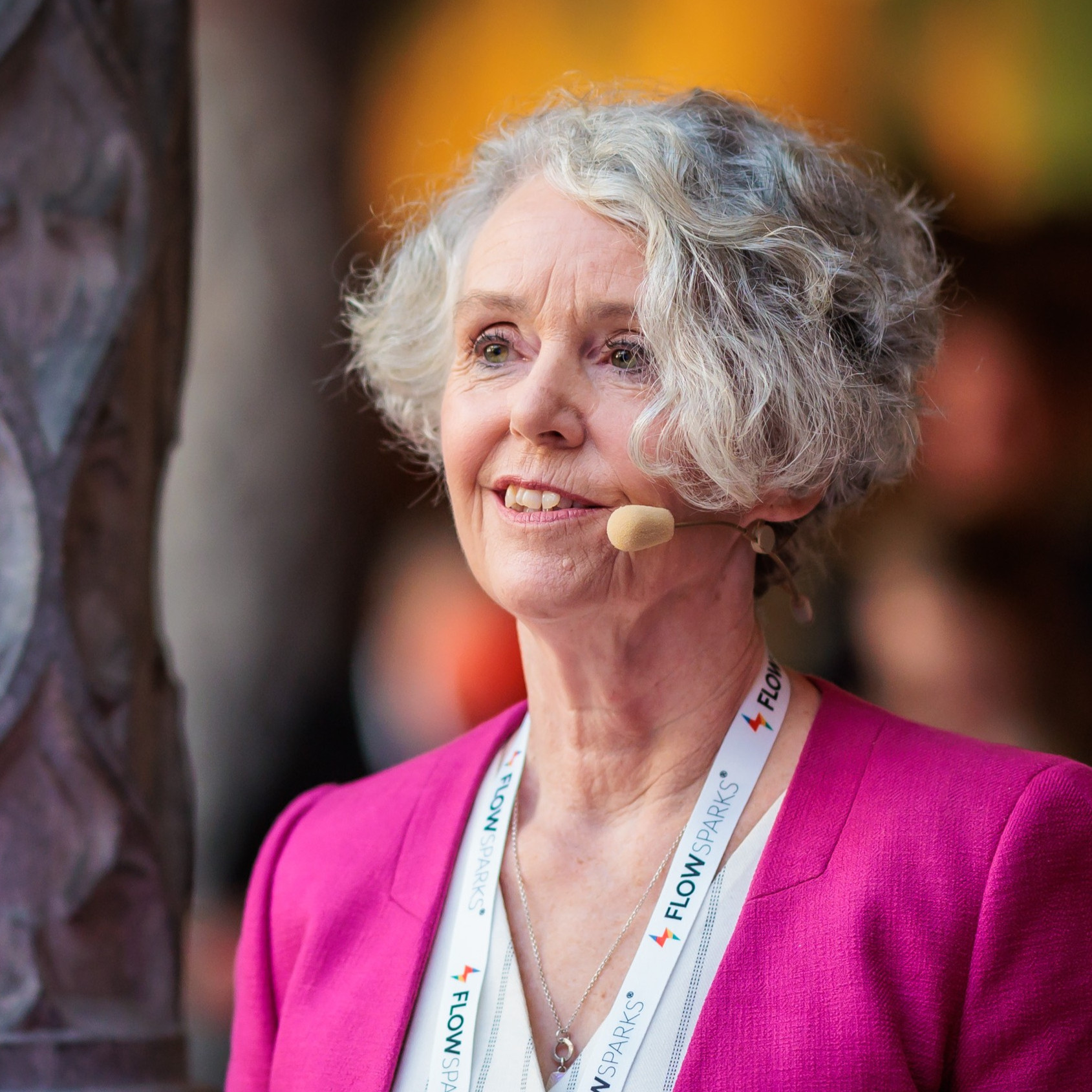
Stella Collins applies neuroscience and psychology to workplace learning. She wrote Neuroscience for Learning and Development, now in its third edition, and speaks widely on building training that helps people remember and take action. Her new book, The Learning Organization, is out soon.

Paul Howard-Jones
Professor of Neuroscience and Education, University of Bristol
The academic bridging neuroscience and education
Paul Howard-Jones researches where cognitive neuroscience meets education, from game-based learning to the science of engagement. A professor at the University of Bristol, he brings peer-reviewed rigour to a field where brain claims are often oversold.

Britt Andreatta
Founder and CEO, Brain Aware Training
Turning the brain science of change into practical tools
Britt Andreatta studies what happens in the brain when people learn, grow and resist change, and turns it into practical models for organisations. Her Wired to Grow series applies brain science to skills and behaviour, work that earned her the ATD’s 2024 Thought Leader of the Year award.

Juliette Denny
Founder, Growth Engineering and Zavmo
Applying neuroscience to engagement and motivation in learning
Juliette Denny founded Growth Engineering and, more recently, the AI learning company Zavmo. Her work focuses on engagement and motivation, using game mechanics and applied neuroscience to help learning stick. Growth Engineering publishes this list, so we include her on the same evidence-based terms as everyone else.
4. The Working L&D Practitioners
The practitioners doing the work inside organisations, turning L&D strategy into real results for real teams.

Sebastian Tindall
Director of Strategic Enablement, Vitality
Reshaping L&D delivery inside a major insurer
Sebastian Tindall leads strategic enablement at Vitality, the health and life insurer, having previously run its L&D delivery. He is a practitioner voice on the realities of building capability inside a large, regulated business, and on where learning teams can add value beyond training.

Simon Gibson
Talent Director, Center Parcs UK & Ireland
Joining talent, learning, and culture across a UK leisure brand
Simon Gibson is Talent Director at Center Parcs UK & Ireland, where his remit spans talent, L&D, leadership and inclusion. He came to the role after leading learning at Marks & Spencer, and speaks with authority on connecting people development to business performance.
Arkesh Mishra
Group Director, People, Sam’s Club
People transformation at enterprise scale
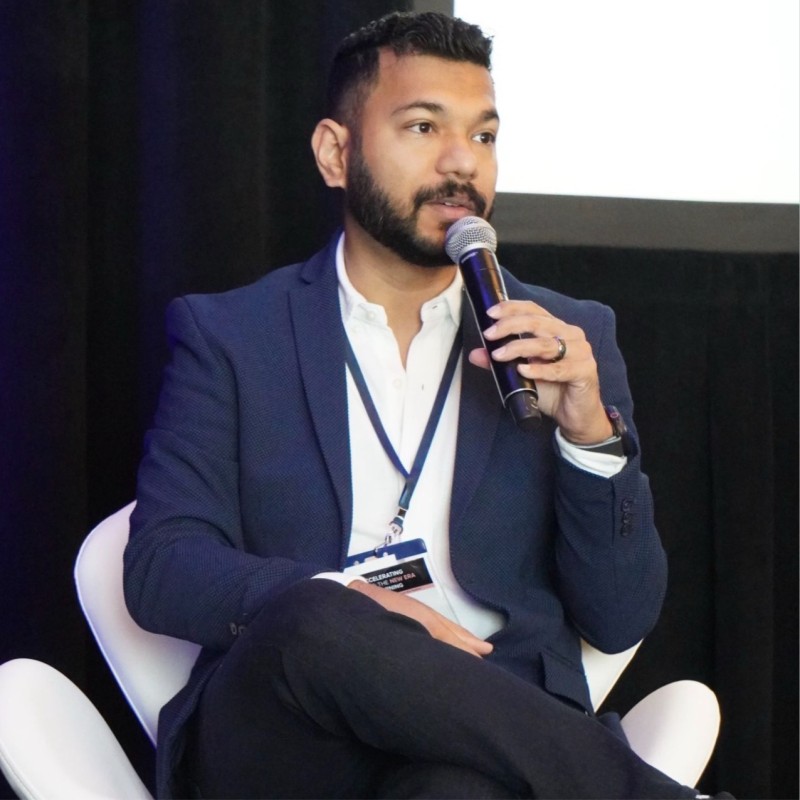
Arkesh Mishra leads organisation effectiveness and transformation at Sam’s Club, part of Walmart. After eight years building systems and scaling teams across Walmart, he is a practitioner’s voice on a hard question: how to turn people strategy into measurable change across an enormous workforce.

Kelly Stuart-Johnson
Global Head of Learning & Development, VML
Building capability across a global agency network
Kelly Stuart-Johnson runs global learning and development at the agency VML, where she builds capability across a worldwide network. Chief Learning Officer magazine named her its 2025 Chief Learning Officer of the Year, its highest individual honour.

Veronica Luna
Global Learning & Leadership Development Lead, Unilever
Global-scale in-house learning, led from Mexico City
Veronica Luna leads global learning and leadership development for Unilever’s supply chain, building capability across a workforce that spans the world. Chief Learning Officer magazine recognised her work in 2025 with a Gold Business Impact award, and she is candid about using AI to make learning more personal and practical.
5. The Learning Technology Experts
The analysts, authors, and guides who track the learning technology market and help teams choose tools that genuinely work.

Craig Weiss
CEO and Lead Analyst, The Craig Weiss Group
The go-to analyst for choosing learning systems
Craig Weiss reviews and ranks the learning technology market for buyers and vendors alike. Through his firm and his long-running blog E-Learning 24/7, read across scores of countries, he cuts through vendor marketing to judge what learning systems can genuinely do.

John Leh
CEO and Lead Analyst, Talented Learning
Independent analysis of learning platforms and customer education
John Leh is lead analyst at Talented Learning, where he advises buyers on learning systems with a particular focus on extended enterprise and customer education. His reviews, podcasts, and case studies help organisations match platforms to real business needs.
Lori Niles-Hofmann
EdTech and AI Transformation Strategist, 8Levers
A clear-eyed guide to EdTech and AI transformation
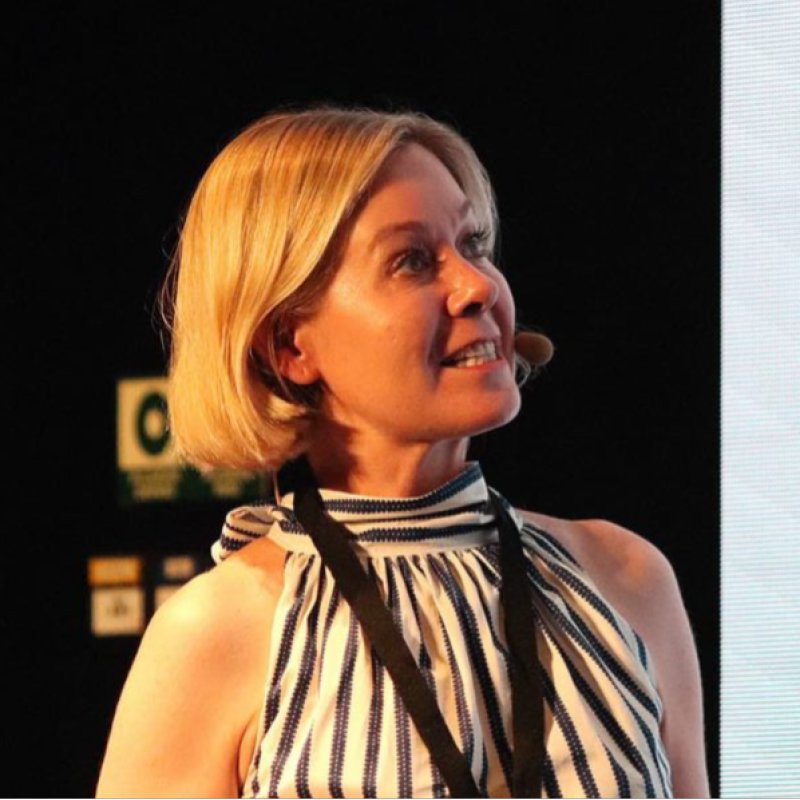
Lori Niles-Hofmann helps organisations run large-scale learning technology change without the hype. Her book, The Eight Levers of EdTech Transformation, offers a practical framework for investing in EdTech and AI, and she is a pointed critic of learning content built for show rather than impact.

Mike Taylor
Learning Consultant, Nationwide
Marketing thinking, applied to learning design
Mike Taylor argues that L&D can learn a lot from marketing, an idea he set out in Think Like a Marketer, Train Like an L&D Pro, co-written with Bianca Baumann. His widely read Friday Finds newsletter rounds up what’s worth knowing at the meeting point of learning, design, and technology.

David Perring
Chief Insights Officer, Fosway Group
Independent analysis of the European L&D tech market
David Perring leads research at Fosway Group, one of Europe’s main L&D and HR analyst firms. He argues that learning teams face an AI crunch, where choices about strategy, skills, and tools now carry real consequences, and his analysis helps buyers to make sense of a fast-moving market.
Final Words
So there we have it. 25 of the very best.
You don’t need to follow all 25. Start by picking the two or three whose work maps most closely to what’s on your desk right now, whether that’s proving impact, choosing a platform, or making learning stick, and follow them properly.
The field is moving quickly, and no single voice has the whole picture. Read across the tiers, notice where these people disagree, and you will build a sharper view than any one of them could give you alone.
That, more than any tool, is how L&D keeps its footing in a year of real change.
Thanks for reading. If you’ve enjoyed this content, please connect with me here or find more articles here.
Explore the Impact Suite and the neuroscience behind each feature. Book a demo now to see it in action, or download our L&D Professional’s Handbook for practical guidance you can put to work.